


Др Ивана Петровић
Филозофски факултет, Универзитет у Београду
Пленарно предавање:
Шта ти кажу када кажеш да се бавиш психологијом?
Биографија – Biography

Др Ивана Б. Петровић је професор психологије рада и организације на Одељењу за психологију Филозофског факултета Универзитета у Београду, са више од 30 година искуства у настави, истраживању и консултантском раду у земљи и иностранству. У свом раду доследно примењује приступ научник–практичар–хуманиста, повезујући научно-истраживачка знања са применом у пракси.
Њено истраживачко и професионално интересовање обухвата управљање људским ресурсима, организационо понашање, понашање потрошача и социјални маркетинг. Централна тема на коју су усмерени сви истраживачки и други радови Иване Б. Петровић је добробит, како радних људи, тако и потрошача.
Научно-истраживачке радове је објављивала у истакнутим домаћим и међународним часописима и излагала на домаћим и међународним скуповима.
Назив предавања: Шта ти кажу када кажеш да се бавиш психологијом?

Ivana B. Petrović is a Professor of Work and Organizational Psychology at the Department of Psychology, Faculty of Philosophy, University of Belgrade. She has more than 30 years of experience in teaching, research, and consulting both in Serbia and internationally. In her work, she consistently applies the scientist–practitioner–humanist approach, integrating scientific research with practical application.
Her research and professional interests include human resource management, organizational behavior, consumer behavior, and social marketing. The central theme that underlies all of Ivana B. Petrović’s research and professional work is well-being, both of employees and consumers.
She has published her scientific research in prominent national and international journals and has presented her work at numerous domestic and international conferences.
Lecture Title: What Do People Tell You When You Say You’re a Psychologist?
Резиме предавања – Lecture Summary
Како ми видимо себе, како нас други виде. Верујем да је ово тема са којом сви живимо од првих размишљања о психологији као свом каријерном избору. Пожелела сам да се истраживачки бавим темом када сам 2007. године у Сан Франциску слушала уводно излагање проф. Харолда Такушијана о односу јавности према психологији и психолозима. Наредне године сам на ту тему у Бостону излагала коауторски рад са проф. Пантом Ковачевићем и проф. Ривком Бертиш Мејер. И тема је изазвала велико интересовање колега са свих страна света. И сви су се препознавали у резултатима. Захвална сам на овом позиву јер ме је подстакао да се вратим на свима нама професионално значајну, интригантну и мени драгу тему.
Шта о психолозима кажу модели компетенција? Модели компетенција психолога обухватају знања, вештине, способности и професионалне ставове који нам омогућавају ефикасно и етично обављање посла. Најчешће се користе у образовању, процени успешности, професионалном развоју и лиценцирању, а почећемо управо од њих у овом преиспитивању. Осврнућемо се на најновији – ICUP модел (2025), први који говори о компетенцијама које студенти стичу на основним студијама психологије. Компетенције практичара, дипломираних психолога мастера посматрамо у односу на Модел компетенција Америчке психолошке асоцијације – APA Competency Benchmarks, као и у односу на модел развијен у оквиру Европске асоцијације психолошких удружења – EuroPsy модел компетенција. Потражили смо потом одговоре на неколико питања: које професије се обично виде као најближе психолозима; где смо у оквиру топлина – компетентност модела Сузане Фиске; како психолози доживљавају себе као бренд, а како нас други виде.
How we perceive ourselves and how others perceive us is a theme that accompanies all of us from our earliest reflections on psychology as a career choice. I became interested in researching this topic in 2007, when I attended the keynote lecture by Prof. Harold Takooshian in San Francisco, which focused on public perceptions of psychology and psychologists.
The following year, I presented a co-authored paper on this topic in Boston with Prof. Panto Kovačević and Prof. Rivka Bertisch Meyer. The topic generated considerable interest among colleagues from all over the world, and many recognized their own experiences in the findings.
I am grateful for this invitation, as it has encouraged me to revisit a topic that is professionally significant, intriguing, and personally meaningful to all of us.
Competency models of psychologists encompass the knowledge, skills, abilities, and professional attitudes that enable effective and ethical professional practice. They are most commonly used in education, performance assessment, professional development, and licensing, and this re-examination will begin precisely with these frameworks.
We will first consider the most recent model—the ICUP Model (2025)—the first to address the competencies that students acquire during undergraduate psychology studies. The competencies of practitioners, that is, graduate psychologists at the master’s level, will be examined in relation to the American Psychological Association’s APA Competency Benchmarks, as well as the model developed within the European Federation of Psychologists’ Associations (EFPA)—the EuroPsy Competence Framework.
We then sought answers to several key questions:Which professions are typically perceived as being closest to psychologists? Where do psychologists fall within Susan Fiske’s Warmth–Competence Model? How do psychologists perceive themselves as a brand, and how are they perceived by others?

Др Душица Филиповић Ђурђевић
Одељење за психологију, Филозофски факултет, Универзитет у Београду
Лабораторија за експерименталну психологију, Филозофски факултет, Универзитет у Београду
Лабораторија за експерименталну психологију, Филозофски факултет, Универзитет у Новом Саду
Пленарно предавање:
Да ли људи и компјутери говоре истим језиком?
Биографија – Biography
Др Душица Филиповић Ђурђевић је редовни професор на Одељењу за психологију Филозофског факултета Универзитета у Београду, стручњак за когнитивне науке и психологију језика. Истраживања спроводи у Лабораторији за експерименталну психологију у Београду и Новом Саду. Њен рад испитује когнитивне и компутационе механизме који леже у основи обраде језика, приступајући језику као прозору у структуру и организацију когнитивног система.
Интегрисањем бихејвиоралних експеримената, корпусних анализа и компутационог моделовања, истражује однос између језика, учења и памћења, с посебним нагласком на интрајезичку дистрибуциону структуру, везе између језика и перцептивног искуства, као и изузетну осетљивост когнитивног система на пробабилистичке обрасце у окружењу.
Школовала се на Универзитету у Београду, а усавршавала током студијских боравака на Институту Макс Планк у Најмехену (Холандија), Универзитету у Оксфорду (Велика Британија), Универзитету Алберта (Канада), Универзитету Корнел (САД), Универзитету Гент (Белгија).
Члан је уредничког одбора часописа Behavior Research Methods (M21+), енциклопедије издавачке куће Elsevier, Интернатионал International Encyclopedia of Language and Linguistics, 3rd Edition, гостујући уредник у неколико међународних публикација и редовни рецензент у међународним научним часописима. Учествовала је у бројним међународним пројектима, а добитница је награда „Борислав Стевановић“ Друштва психолога Србије (2023), „Најбољи рецензенти часописа Психологија“ (2017), као и „Врхунска достигнућа Универзитета у Новом Саду“ (2016).
Чланица је неколико међународних струковних удружења, као што су The Psychonomic Society, European Society for Cognitive Psychology, Women in Cognitive Sciences, као и националног струковног удружења Друштво психолога Србије.
Поносна је мајка једној девојчици и једном дечаку и поносна менторка групи талентованих и посвећених студенткиња и студената.
Dr. Dušica Filipović Đurđević is a Full Professor at the Department of Psychology, Faculty of Philosophy, University of Belgrade, and an expert in cognitive science and psychology of language. She conducts her research at the Laboratory for Experimental Psychology in Belgrade and Novi Sad. Her work examines the cognitive and computational mechanisms underlying language processing, approaching language as a window into the structure and organization of the cognitive system.
By integrating behavioral experiments, corpus analyses, and computational modeling, she investigates the relationship between language, learning, and memory, with a particular emphasis on intralinguistic distributional structure, the connections between language and perceptual experience, and the remarkable sensitivity of the cognitive system to probabilistic patterns in the environment.
She completed her education at the University of Belgrade and further advanced her expertise through research visits at several prestigious institutions, including the Max Planck Institute in Nijmegen (Netherlands), the University of Oxford (United Kingdom), the University of Alberta (Canada), Cornell University (USA), and Ghent University (Belgium).
Dr. Filipović Đurđević is a member of the editorial board of the journal Behavior Research Methods (M21+), and a contributor to Elsevier’s International Encyclopedia of Language and Linguistics (3rd Edition). She has also served as a guest editor for several international publications and is a regular reviewer for numerous international scientific journals.
She has participated in many international research projects and is the recipient of several prestigious awards, including the “Borislav Stevanović” Award of the Serbian Psychological Society (2023), the “Best Reviewers of the Journal Psihologija” award (2017), and the “Outstanding Achievements of the University of Novi Sad” award (2016).
She is a member of several international professional associations, such as the Psychonomic Society, the European Society for Cognitive Psychology, Women in Cognitive Science, as well as the national professional association, the Serbian Psychological Society.
Beyond her academic achievements, she is a proud mother of a daughter and a son, and a dedicated mentor to a group of talented and committed students.
Резиме предавања – Lecture Summary
На први поглед, људски и програмски језици деле низ важних карактеристика као структурисани системи за пренос информација. Међутим, у овом излагању полазим од претпоставке да су ове сличности ограничене и да између њих постоје разлике од суштинског значаја за разумевање природе језика, али и људског ума.
Људски језик посматрам као комплексан динамички природни систем обликован когнитивним, емоционалним и мотивационим процесима. Ову перспективу илустроваћу налазима својих истраживања о улози информационе структуре, сензомоторних информација, емоционалних реакција на језичке стимулусе, као и когнитивне контроле и специфичности језика код особа са психичким поремећајима.
На основу ових налаза, размотрићу у којој мери су аналогије између људског и програмског језика оправдане и аргументовати да кључне разлике проистичу из њихових различитих функција и принципа организације.
At first glance, human and programming languages share a number of important characteristics as structured systems for the transmission of information. However, in this presentation, I start from the assumption that these similarities are limited and that there are differences between them that are essential for understanding the nature of language, as well as the human mind.
I view human language as a complex, dynamic natural system shaped by cognitive, emotional, and motivational processes. This perspective will be illustrated by findings from my research on the role of information structure, sensorimotor information, emotional responses to linguistic stimuli, as well as cognitive control and language-specific characteristics in individuals with mental disorders.
Based on these findings, I will consider the extent to which analogies between human and programming languages are justified and argue that the key differences arise from their distinct functions and principles of organization.

Др сци. Нирвана Пиштољевић
ЕДУС – Едукација за све, Сарајево
Пленарно предавање:
Темељи који обликују будућност: Околина, развој и снага ране детекције и интервенције
Биографија – Biography
Др сци. Нирвана Пиштољевић је трансдисциплинарна научница. Дипломирала је психологију, те кроз три магистерија усавршила се из области општег и специјалног образовања, изради курикулума у специјалном образовању, примијењене бихевиоралне анализе и бихевиоризма. Докторирала је на Универзитету Колумбија, Њујорк гдје је и предавала 11 година на постдипломским студијима из области психологије и образовања на одјелу примијењених наука и учења.
Извршна је директорица и оснивачица у ЕДУС – Едукација за све, невладине организацији у БиХ, фокусиране на научна истраживања и увођење иновативних метода рада са дјецом и породицама дјеце са и без потешкоћа у развоју. У партнерству са владиним и невладиним сектором, већ дуги низ година кроз ЕДУС, поред директног рада са стотинама малишана са потешкоћама у развоју, развија концепте и инструменте за рану детекцију и интервенцију, спроводи научна истраживања, те тренинге професионалног кадра и иницира креирање сервиса за дјецу широм БиХ.
Такођер, континуирано ради на успостави и подршци система детекције и интервенције у земљама региона, Европе и шире. Др. Пиштољевић је високо рангирана експертица и научница у систему CABAS® као и позвана професорица и ауторица у свијету из области психологије, образовања, бихевиоралних наука, раног раста и развоја, аутизма, те индукције и развоја говора.
Њени тренутни истраживачки интереси укључују развој научно валидираних система и модела детекције и интервенција у раном дјетињству, развој модалитета и тактика у учењу и подучавању дјеце и професионалаца, бихевиоралне процјене, опсервационо учење, инклузија, и С.Т.Е.А.М.
Уз визију остваривања пуног потенцијала сваког дјетета, ова мисија ју је водила раду са дјецом, едукаторима, педијатрима, психијатрима, психолозима и стручњацима у сродним областима који покушавају развити трансдисциплинарни приступ дјетету и породици.
Вишегодишња је чланица Босанскохерцеговачко – америчке академије умјетности и наука (BHAAAS), чија је била и предсједница за 2018. годину. Такођер је чланица научног Одбора за психијатријска и неуролошка истраживања при Академији наука и умјетности БиХ (ANUBiH), и чланица Америчке психолошке асоцијације (APA), Друштва за истраживања дјечијег развоја (SRCD), те Интернационалне Асоцијације за бихевиоралну анализу (ABAI).
Dr. sci. Nirvana Pištoljević is a transdisciplinary scientist. She earned her degree in psychology and further specialized through three master’s degrees in general and special education, curriculum development in special education, and applied behavior analysis and behaviorism. She completed her PhD at Columbia University, New York, where she also taught for 11 years at the postgraduate level in the fields of psychology and education within the Department of Applied Sciences and Learning.
Dr. Pištoljević is the Executive Director and Founder of EDUS – Education for All, a non-governmental organization in Bosnia and Herzegovina focused on scientific research and the implementation of innovative methods for working with children and families of children with and without developmental difficulties. In partnership with governmental and non-governmental sectors, EDUS has, for many years, provided direct services to hundreds of young children with developmental challenges. Additionally, the organization develops concepts and instruments for early detection and intervention, conducts scientific research, provides professional training, and initiates the establishment of services for children across Bosnia and Herzegovina.
She also continuously works on establishing and supporting systems for early detection and intervention in countries across the region, Europe, and beyond. Dr. Pištoljević is a highly ranked expert and scientist within the CABAS® system, as well as an invited professor and author internationally in the fields of psychology, education, behavioral sciences, early growth and development, autism, and speech induction and development.
Her current research interests include the development of scientifically validated systems and models for early childhood detection and intervention, learning and teaching modalities and tactics for children and professionals, behavioral assessment, observational learning, inclusion, and S.T.E.A.M. education.
Guided by a vision of enabling every child to reach their full potential, her mission has led her to collaborate with children, educators, pediatricians, psychiatrists, psychologists, and other related professionals in developing a transdisciplinary approach to supporting children and their families.
Dr. Pištoljević is a long-standing member of the Bosnia and Herzegovina American Academy of Arts and Sciences (BHAAAS), where she served as President in 2018. She is also a member of the Scientific Committee for Psychiatric and Neurological Research of the Academy of Sciences and Arts of Bosnia and Herzegovina (ANUBiH), as well as a member of the American Psychological Association (APA), the Society for Research in Child Development (SRCD), and the Association for Behavior Analysis International (ABAI).
Резиме предавања – Lecture Summary
Razvoj mozga je integriran proces. Osnovno uputstvo za razvoj daje genetika, a podešavanja tokom izgradnje čini okolina. Sva rana iskustva utiču na kvalitet razvojne arhitekture, stvarajući stabilne ili nestabilne temelje za sve one kasnije funkcije, kao što je učenje, emocionalni razvoj, ponašanja, zdravlje, itd.
Pokusaćemo se upoznati sa naučno potvrđenim faktorima iz okoline koji mogu uticati na svaki aspekt ranog rasta i razvoja.
Neki od okolinskih faktora su protektivni, dok drugi povećavaju rizike, te mjenjaju razvojnoj putanju. Šta mi, kao stručnjaci koji rade sa djecom i porodicama možemo učiniti da promijenimo putanju koja je rizična po razvoj i budućnost osobe?
Brain development is an integrated process. Genetics provides the basic blueprint for development, while the environment fine-tunes this process during its construction. All early experiences influence the quality of the developmental architecture, creating either stable or unstable foundations for later functions such as learning, emotional development, behavior, and health.
In this presentation, we will explore scientifically validated environmental factors that can affect every aspect of early growth and development. Some of these environmental factors are protective, while others increase risk and alter the developmental trajectory.
Finally, we will address an important question: What can we, as professionals working with children and families, do to change developmental pathways that pose risks to an individual’s development and future?
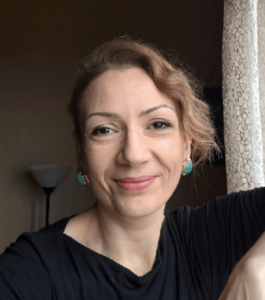
Др Јелена Опсеница Костић
Универзитет у Нишу, Филозофски факултет, Департман за психологиjу
Пленарно предавање:
О томе се (не) говори: психолошки аспекти неповољних репродуктивних догађаја
Биографија – Biography
Др Јелена Опсеница Костић је редовни професор на Департману за психологију Филозофског факултета у Нишу. Предаје предмете из области развојне психологије одраслог и старог доба, развојне психологије детињства и сајберпсихологије.
У свом истраживачком раду бави се психолошким аспектима савременог начина живота и изазовима које он поставља пред појединца. Последњих година, у сарадњи са колегама, интензивно истражује психолошке аспекте неплодности. Резултати ових истраживања објављени су у више научних радова, међу којима се посебно издваја операционализација конструкта репродуктивног идентитета.
Међу њеним скорашњим професионалним постигнућима издвајају се руковођење двогодишњим пројектом Фонда за науку РС „Криза идентитета жена које се суочавају са неплодношћу: мешовити методолошки приступ“ (2023–2025) и награда Друштва психолога Србије за књигу „Путовање кроз дигитални простор – Увод у сајберпсихологију“, додељена 2023. године.
Dr. Jelena Opsenica Kostić is a Full Professor at the Department of Psychology, Faculty of Philosophy, University of Niš. She teaches courses in developmental psychology of adulthood and old age, developmental psychology of childhood, and cyberpsychology.
Her research focuses on the psychological aspects of contemporary lifestyles and the challenges they pose for individuals. In recent years, in collaboration with colleagues, she has been intensively studying the psychological aspects of infertility. The results of this research have been published in several scientific papers, among which the operationalization of the construct of reproductive identity stands out.
Among her recent professional achievements are her leadership of a two-year project funded by the Science Fund of the Republic of Serbia, titled “Identity Crisis in Women Facing Infertility: A Mixed-Methods Approach” (2023–2025), as well as the award from the Serbian Psychological Society for the book “A Journey Through Digital Space – An Introduction to Cyberpsychology”, received in 2023.
Резиме предавања – Lecture Summary
Репродуктивни догађаји – сексуални однос са партнером, остваривање жељене трудноће, порођај – најчешће имају позитивну конотацију: доживљавају се као природни, спонтани и испуњавајући животни догађаји. Неповољни репродуктивни исходи, иако релативно чести, остају на маргинама јавног дискурса, недовољно присутни у свести људи и често изван фокуса психосоцијалне подршке.
У Републици Србији последњих година отворен је простор за разговор о тешкоћама са зачећем, али је он углавном ограничен управо на тему немогућности добијања детета. О чему и даље ретко говоримо? О спонтаним прекидима трудноће, понављаним губицима, прераном и тешком порођају, мртворођењу.
Разговор о акушерском насиљу се повремено покрене, па утихне. Неповољни репродуктивни догађаји су разнородни и тешко их је обухватити јединственим оквиром. У овом предавању спонтани побачај биће коришћен као модел за разумевање ширег спектра репродуктивних губитака. Биће приказана искуства жена и мушкараца, као и начини на које се она могу разумети кроз теорије жаловања.
Могући дугорочни, друштвено врло значајни ефекти, биће приказани са ослонцем на Милеров TDIB модел. Осврнућемо се и на то шта психолози могу да понуде здравственим радницима. Један од најважнијих циљева бављења овом темом јесте признавање губитка садржаног у неповољним репродуктивним догађајима и успостављање адекватне психосоцијалне подршке.
Време је да ова прећуткивана искуства добију видљивост у јавности и адекватно препознавање у стручној заједници.
Reproductive events—sexual intercourse with a partner, achieving a desired pregnancy, and childbirth—are most often associated with positive connotations: they are experienced as natural, spontaneous, and fulfilling life events. Adverse reproductive outcomes, although relatively common, remain on the margins of public discourse, insufficiently present in people’s awareness, and often outside the focus of psychosocial support.
In the Republic of Serbia, space for discussing difficulties with conception has opened in recent years; however, this dialogue is largely limited to the issue of infertility. What, then, do we still rarely talk about? Miscarriages, repeated pregnancy losses, preterm and difficult births, and stillbirths. Discussions about obstetric violence are occasionally initiated but tend to fade over time.
Adverse reproductive events are diverse and difficult to capture within a single framework. In this lecture, miscarriage will be used as a model for understanding the broader spectrum of reproductive loss. The experiences of both women and men will be presented, along with ways in which these experiences can be understood through theories of grief.
Potential long-term, socially significant effects will be discussed with reference to Miller’s T-DIB model. We will also consider what psychologists can offer to healthcare professionals. One of the most important goals of addressing this topic is the recognition of loss inherent in adverse reproductive events and the establishment of adequate psychosocial support.
It is time for these silenced experiences to gain visibility in public discourse and appropriate recognition within the professional community.